The Hidden Power of Routines: Why Predictability Helps Kids Thrive (and Saves Parents Time & Sanity)
- sumai paige
- Jun 25, 2025
- 3 min read

Why Routines Matter More Than We Think
We all know routines are helpful. But have you ever considered how deeply they impact your child’s emotions, behavior, and academic success? Routines aren’t just about getting kids to bed on time—they’re one of the most powerful tools parents can use to help children feel safe, confident, and focused. In a world that’s constantly changing, routines offer something rare and essential: predictability.
How Routines Shape the Brain
When kids know what to expect, their brains can relax. They’re not on high alert or bracing for surprise changes—they’re grounded. This stability allows them to manage transitions more easily, follow instructions with less pushback, and concentrate better during learning. In fact, children with regular routines often develop stronger self-regulation skills, which are directly linked to long-term success both in and out of the classroom.

Is Your Child Craving More Structure?
Many behavior issues or emotional outbursts aren’t due to “bad behavior”—they’re a sign of overwhelm. If your child:
Struggles to move from one activity to the next,
Has trouble falling asleep or waking up in the morning,
Gets easily frustrated or distracted…
…they might be missing the comfort of a clear, dependable routine.
How to Build a “No-Nag” Routine at Home

Creating a routine doesn’t have to feel like boot camp. Start small. Choose one part of the day—like the chaotic after-school window—and focus there. Use visual cues like charts or checklists (younger kids love sticker rewards!). Instead of barking out commands, involve your child by letting them choose the order of tasks. That tiny bit of control makes a big difference in their cooperation.
One of the most underrated strategies? Make it a team effort. Call a short “family meeting” and talk about what a smooth day could look like. You’ll be amazed how much kids are willing to help create—and follow—a routine they helped design.
Sample Routines That Actually Work

Need inspiration? Try routines like these and adjust based on your child’s age and needs:
Morning Routine: Wake up → Brush teeth → Quick stretch → Eat breakfast → Get dressed → Out the door
After-School Routine: Snack → Homework → 30-minute break (screen-free if possible) → Chores or reading
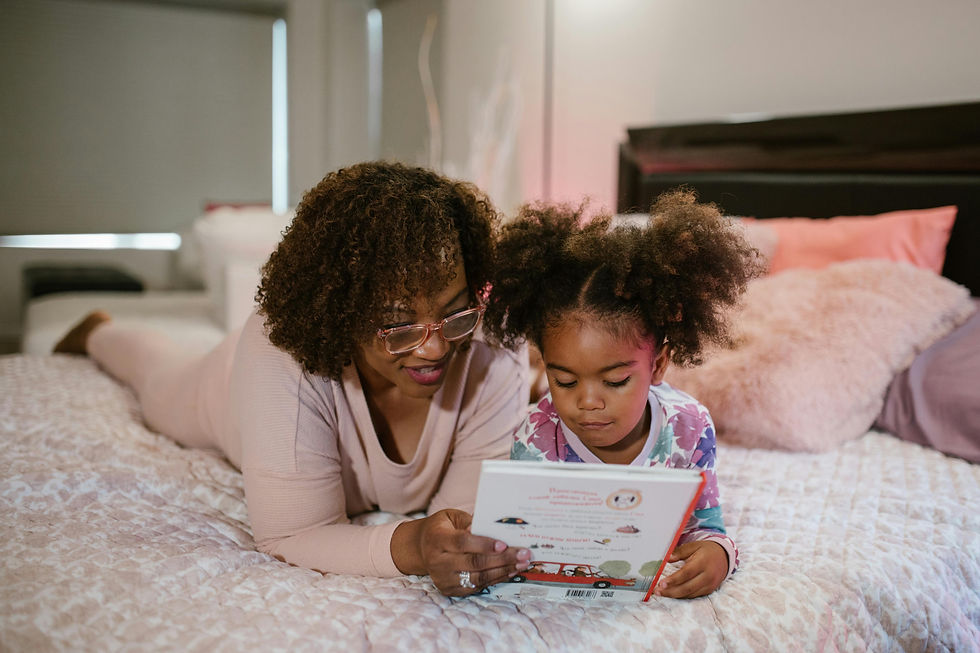
Evening Routine: Dinner → Tidy up → Family time → Bath → Bedtime story or journaling → Lights out
The magic is in the repetition. Once the rhythm becomes familiar, kids stop fighting the flow and start leaning into it.
Flexibility Still Matters
Let’s be honest: life isn’t always predictable. Schedules get thrown off. Emergencies happen. The key isn’t perfection—it’s consistency with grace. Teach your child that routines provide structure, but it’s okay to bend when life calls for it. Flexibility is a life skill too.
Final Thoughts: The Routine Revolution

Routines aren’t about control—they’re about confidence. They help children feel secure, capable, and prepared for the day ahead. And as a bonus, they help parents feel less overwhelmed and more connected. You don’t have to overhaul your life overnight. Just start with one routine, stick with it, and watch your home shift from chaos to calm—one predictable moment at a time.



Comments